
The digital landscape is currently undergoing a radical transformation that is moving far beyond the traditional boundaries of two-dimensional screens and static web pages. We are witnessing the birth of a new era where “Immersive Enterprise Digital Environments” are becoming the standard for global business operations, collaboration, and high-stakes training. This shift is driven by the convergence of spatial computing, high-fidelity virtual reality, and real-time data streaming that allows teams to interact in a shared digital space regardless of their physical location. Modern corporations are no longer satisfied with simple video conferencing; they are seeking persistent virtual ecosystems where intellectual property can be visualized and manipulated in three dimensions.
This revolution is fundamentally changing how we perceive “presence” in a professional context, enabling a level of emotional and cognitive engagement that was previously impossible. For leaders in the tech space, mastering these emerging experiences is a critical requirement for maintaining a competitive edge in an increasingly decentralized workforce. The integration of these environments into daily workflows represents the next great leap in human-machine interaction. As we deconstruct the mechanics of these immersive platforms, it becomes clear that we are not just building better tools, but entirely new ways of inhabiting the digital world. This guide provides a deep exploration of the strategies and technologies that are defining the future of enterprise engagement.
The Foundation of Spatial Computing in the Workplace
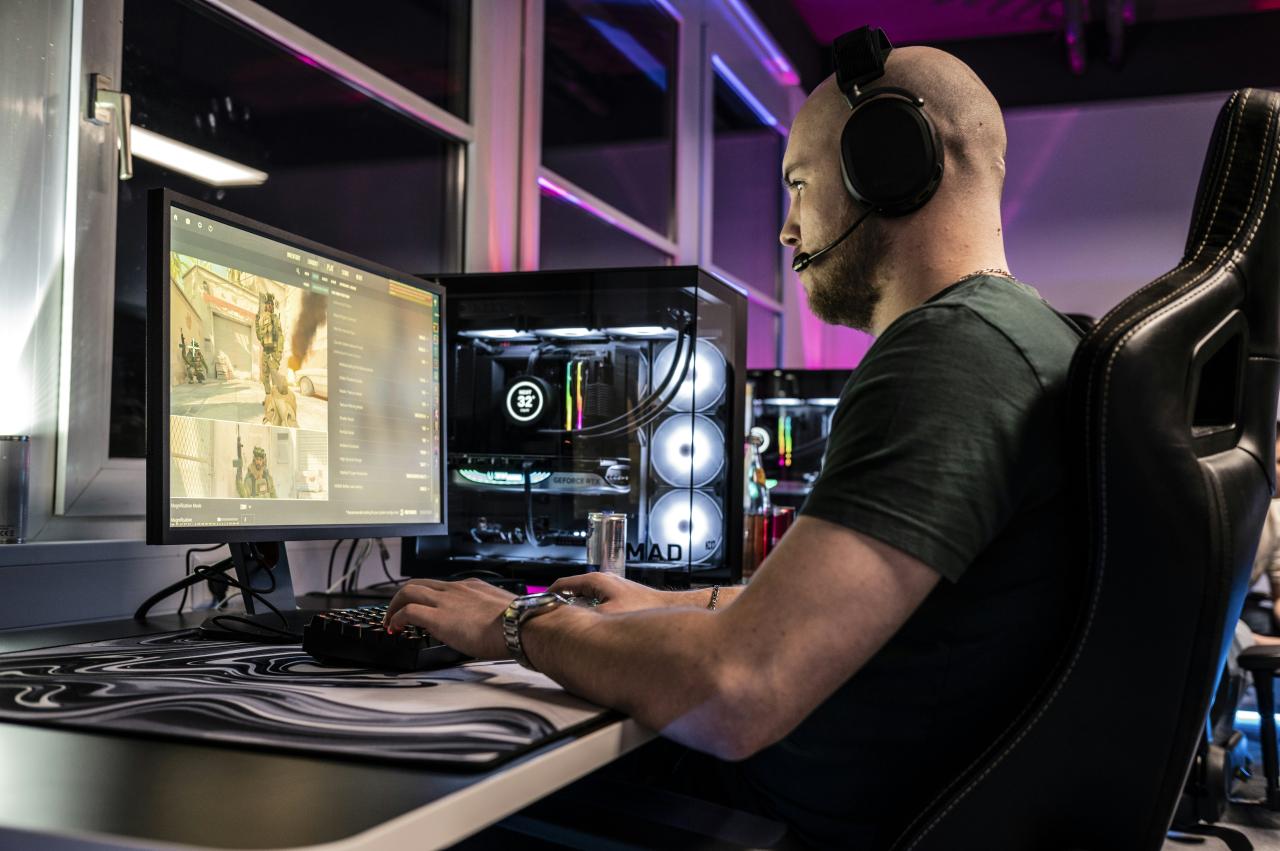
Spatial computing is the bedrock of immersive experiences, allowing digital content to exist and react within the physical context of our environment.
A. Volumetric Data Visualization and Interaction
Enterprises are now using volumetric displays to turn complex data sets into 3D models that can be walked through and inspected from every angle. This allows for a much more intuitive understanding of complex systems, from architectural blueprints to molecular structures.
B. The Integration of Digital Twins
A digital twin is a real-time virtual representation of a physical object or system, such as a factory floor or a power grid. By mirroring the physical world in an immersive environment, companies can run simulations and predict failures before they happen in reality.
C. Persistent Shared Virtual Workspaces
Unlike a temporary meeting room, a persistent workspace allows teams to leave digital assets, notes, and 3D models in a specific virtual location. When they return the next day, everything is exactly where they left it, maintaining the continuity of the creative process.
High-Fidelity Training and Skill Acquisition
Immersive environments are proving to be the most effective way to train employees in high-risk or high-complexity tasks.
A. Procedural Muscle Memory Training
Virtual reality allows technicians to practice complex assembly or repair tasks thousands of times without the cost of physical materials. This builds muscle memory and reduces error rates significantly when they transition to the actual equipment.
B. Soft Skills and Empathetic Leadership Simulation
AI-driven avatars can now simulate difficult conversations, such as performance reviews or high-pressure negotiations. This provides leaders with a safe space to practice empathy and communication strategies in a realistic social environment.
C. Hazardous Environment Preparedness
Training for emergencies like oil rig fires or chemical spills is inherently dangerous in the real world. Immersive environments allow first responders to experience the stress and sensory overload of a crisis without any actual physical risk.
The Evolution of Remote Collaboration and Social Presence
The “digital office” is evolving into a space where the feeling of “being there” is indistinguishable from physical reality.
A. Holographic Telepresence and Avatars
Modern immersive platforms use advanced sensors to track facial expressions and body language, projecting them onto a 3D avatar. This restores the non-verbal cues that are often lost in traditional video calls, making digital communication feel more human.
B. Spatial Audio and Environmental Acoustics
Sound plays a vital role in immersion by allowing users to perceive the distance and direction of their colleagues’ voices. In a virtual meeting, if someone is standing to your left, their voice will naturally come from that direction, mimicking real-world physics.
C. Real-Time Synchronous Co-Creation
Engineers and designers can now work on the same 3D model simultaneously within a shared virtual space. This eliminates the “silo effect” and allows for instant feedback cycles that accelerate the product development timeline.
Overcoming Technical Hurdles and Infrastructure Needs
To run these immersive environments effectively, organizations must invest in a robust technological backbone.
A. Edge Computing and Low-Latency Networks
Immersive experiences require massive amounts of data to be processed instantly to avoid “motion sickness” for the user. Moving the processing power closer to the user through edge computing ensures a smooth, lag-free experience.
B. Hardware Interoperability and Open Standards
The future of the immersive enterprise relies on different headsets and platforms being able to talk to each other. Adopting open standards ensures that a company is not locked into a single hardware ecosystem as technology evolves.
C. Advanced Cybersecurity for Spatial Data
Shared virtual spaces represent a new frontier for industrial espionage and data theft. Protecting the biometric data of employees and the 3D assets stored in these environments is a top priority for modern security teams.
The Impact on Real Estate and Corporate Culture
As the digital environment becomes more robust, the necessity for massive physical office footprints is beginning to decline.
A. The Hybrid Workplace 2.0
Companies are shifting toward smaller “hub” offices used for occasional physical gatherings, while daily work happens in the immersive environment. This reduces overhead costs while maintaining a strong sense of community and brand identity.
B. Global Talent Acquisition Without Relocation
Immersive platforms allow a company in London to hire a specialist in Tokyo and have them feel like they are sitting in the same room. This democratizes job opportunities and allows firms to build world-class teams without the friction of immigration or moving costs.
C. Sustainable Business Operations
By reducing the need for international travel and physical office heating/cooling, immersive environments significantly lower a company’s carbon footprint. This aligns digital transformation with global sustainability and ESG (Environmental, Social, and Governance) goals.
Human-Centric Design and Ergonomics in Virtual Spaces
Long-term adoption of immersive environments depends on the comfort and well-being of the human users.
A. Mitigating Digital Fatigue and Sensory Overload
Developers are focusing on “calm technology” designs that prevent users from being overwhelmed by too many notifications or bright colors. Creating a digital environment that feels natural and serene is key to preventing burnout.
B. Ergonomic Hardware and Wearable Tech
The next generation of VR and AR glasses are becoming lighter, more breathable, and more stylish. Improving the physical comfort of the devices is essential for users who need to stay in the digital environment for several hours at a time.
C. Accessibility and Inclusive Virtual Design
Immersive spaces must be designed to accommodate people with different physical and sensory abilities. This includes providing alternative ways to navigate the space for those who cannot use standard hand controllers.
The Role of AI in Enhancing Digital Experiences
Artificial Intelligence acts as the “smart layer” that makes virtual environments responsive and intelligent.
A. Automated Environment Generation
AI can now create vast, detailed 3D landscapes and office layouts in seconds based on simple text descriptions. This allows companies to customize their virtual workspaces without hiring a large team of 3D artists.
B. Intelligent Virtual Assistants and Concierges
AI-powered bots can live within the immersive space to help users find files, schedule meetings, or translate foreign languages in real-time. This turns the digital environment into a proactive partner in the user’s productivity.
C. Behavioral Analytics and Productivity Mapping
By analyzing how users move and interact within a virtual office, AI can suggest improvements to the layout to encourage better collaboration. This data-driven approach to office design ensures that the digital space is always optimized for performance.
Exploring the Economic Frontier of the Enterprise Meta-Economy
Within these immersive environments, new forms of value creation and exchange are starting to emerge.
A. Digital Asset Management and NFTs
Proprietary 3D models and virtual real estate can be secured using blockchain technology to prove ownership and prevent unauthorized copying. This creates a secure marketplace for digital goods within the corporate world.
B. The Tokenization of Expert Time
In the future, consultants might be paid automatically via smart contracts as they provide advice within a shared immersive space. This “micro-payment” model allows for more flexible and efficient global consulting arrangements.
C. Virtual Branding and Corporate Identity
How a company looks and feels in the virtual world is becoming just as important as its physical office design. Investing in a high-quality “digital headquarters” is a key strategy for attracting top-tier clients and investors.
Conclusion

The revolution of immersive enterprise digital environments is fundamentally redefining the nature of professional work. Every major industry must now prepare for a future where spatial computing is the primary interface for business. The transition from 2D screens to 3D ecosystems allows for a level of collaboration that transcends geographical boundaries. High-fidelity simulations are drastically reducing the cost and risk associated with professional training and skill building. Sustainability is a natural byproduct of moving business operations into the digital realm where physical resources are not consumed.
Artificial Intelligence provides the necessary intelligence to make these virtual spaces truly responsive and productive. Cybersecurity and data privacy remain the most critical challenges that organizations must solve to build long-term trust. The reduction in physical office costs provides a significant economic incentive for companies to embrace this digital shift. Human-centric design ensures that employees can inhabit these spaces comfortably and safely for extended periods. Global talent can now be integrated into a unified team culture without the traditional barriers of travel or relocation. Interoperability between different platforms will determine the speed at which the enterprise meta-economy can grow.
Digital twins offer a powerful way to visualize and optimize real-world systems with absolute precision. Corporate identity is being reshaped by the quality and creativity of the virtual environments a company provides. The feeling of “presence” in a digital space is the key to maintaining employee engagement in a remote-first world. Innovation in hardware will continue to make these experiences more accessible and less intrusive in our daily lives. The path forward requires a bold commitment to experimenting with new ways of working and interacting. Ultimately, the goal of these immersive environments is to empower human potential through the perfect marriage of tech and creativity.