
Living in the modern era feels like being permanently tethered to a high-speed data stream that never stops flowing. From the second we wake up to the moment we close our eyes, our brains are bombarded with notifications, emails, and social media updates. This constant connectivity has brought incredible convenience, but it has also created a silent crisis for our mental peace and focus.
We have reached a point where our devices often control us, rather than the other way around. Finding a true sense of balance is no longer just a “nice to have” lifestyle choice; it is a vital survival skill for the twenty-first century. This journey toward digital wellness involves reclaiming our attention and setting firm boundaries with the technology we use every day.
By understanding the psychological triggers behind our screen habits, we can begin to build a healthier relationship with the virtual world. It is time to step back, breathe, and rediscover what it means to be present in the physical world while still enjoying the benefits of the digital one.The digital landscape is designed to be addictive, but you have the power to change the narrative of your daily life. Let’s explore how to navigate this high-tech environment without losing your mind or your joy.
The Psychology of the Infinite Scroll
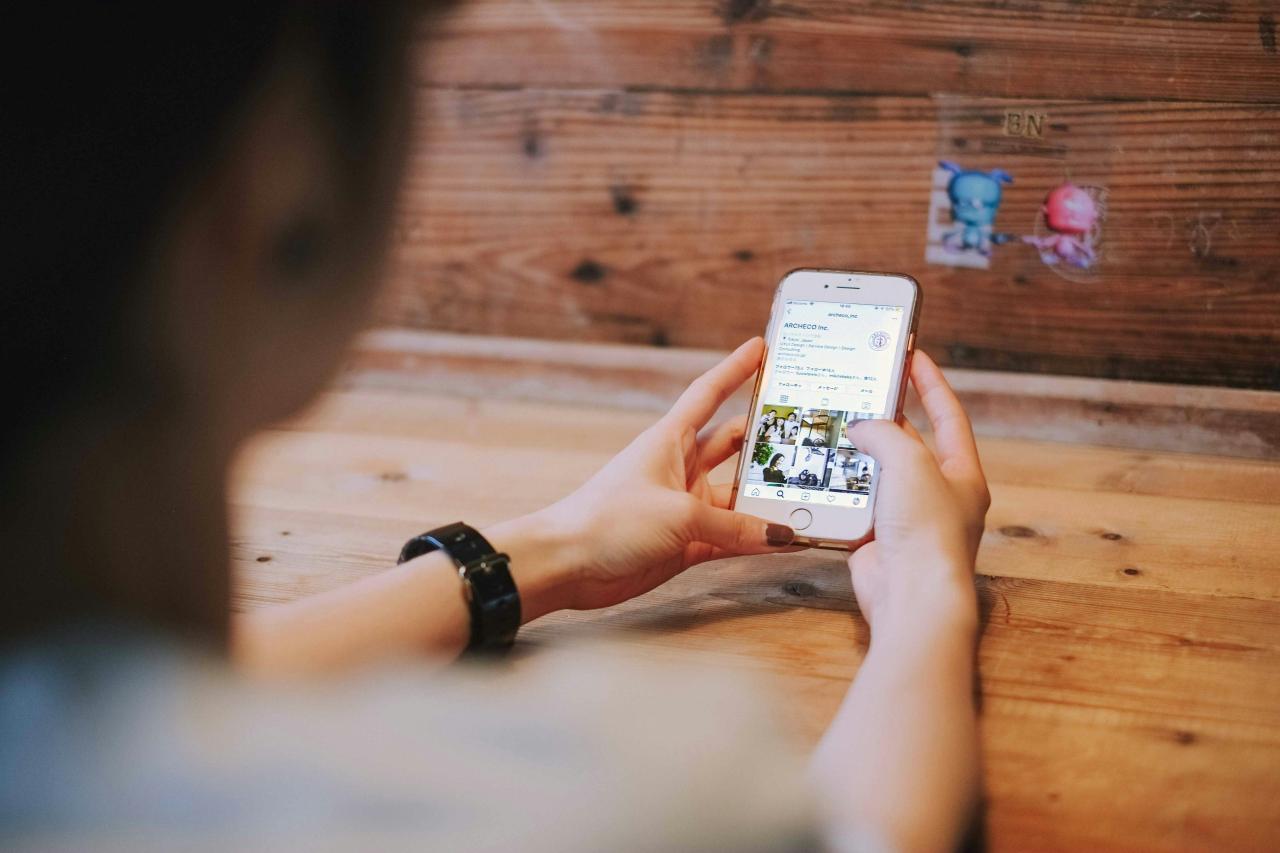
The platforms we use are built on the same psychological principles as slot machines in a casino. Every time we scroll down, we are looking for a hit of dopamine in the form of a like, a comment, or a funny video. This “variable reward” system keeps us hooked for hours, often without us even realizing how much time has passed.
A. Dopamine loops create a physical craving for the next notification on your screen.
B. Social validation becomes a metric for self-worth when we focus too much on likes.
C. Decision fatigue sets in when we are forced to process too much information at once.
D. The fear of missing out, or FOMO, drives us to check our phones even when we are tired.
Setting Physical Boundaries with Devices
Your environment plays a massive role in how much you rely on your phone or laptop. If your phone is the first thing you see on your nightstand, it will be the first thing you touch in the morning. Creating “tech-free zones” is a simple but highly effective way to reclaim your personal space.
A. Keeping phones out of the bedroom improves sleep quality and morning focus.
B. Dining tables should be a place for conversation rather than silent scrolling.
C. Designating a specific “charging station” prevents you from carrying your phone everywhere.
D. Using a physical alarm clock removes the excuse to have a smartphone near your bed.
The Art of the Digital Detox
Sometimes, a quick break isn’t enough to reset your brain’s chemistry. A digital detox involves stepping away from screens for a significant period to allow your nervous system to regulate itself. This practice helps you realize that the world keeps turning even if you aren’t online.
A. Weekend detoxes allow for deeper engagement with hobbies and nature.
B. Deleting non-essential apps reduces the constant “noise” in your pocket.
C. Notification audits help you silence everything except the most vital alerts.
D. Turning your screen to grayscale makes the apps look less appealing to your brain.
Reclaiming Deep Work and Concentration
In a world of constant pings, the ability to focus on a single task for a long time is becoming a superpower. Our brains are not actually built for multitasking; they simply switch between tasks very quickly, which lowers our overall IQ.
A. Time-blocking techniques ensure that you have hours of uninterrupted creative time.
B. Focus modes on modern devices can automatically block distracting apps during work.
C. Single-tasking leads to higher quality results and much lower stress levels.
D. Working in “sprints” allows for high intensity followed by a real, screen-free break.
Social Media and the Comparison Trap
Social media often acts as a highlight reel for everyone else’s lives, making our own reality seem boring or inadequate. This constant comparison can lead to anxiety, depression, and a sense of isolation.
A. Curating your feed to follow only positive and educational accounts changes your mood.
B. Realizing that most “influencer” content is staged helps break the illusion of perfection.
C. Limiting social media use to thirty minutes a day significantly boosts mental health.
D. Engaging in “active” posting rather than “passive” scrolling fosters real connection.
The Impact of Blue Light on Sleep
Our bodies rely on natural light cycles to know when it is time to rest. The artificial blue light emitted by screens tricks the brain into thinking it is daytime, suppressing the production of melatonin.
A. Wearing blue light blocking glasses can reduce eye strain during late-night work.
B. Using “night shift” modes on devices shifts the color palette to warmer tones.
C. Stopping screen use two hours before bed is the gold standard for deep sleep.
D. Reading a physical book instead of an e-reader helps the mind wind down naturally.
Cultivating Mindful Technology Use
Mindfulness is the practice of being aware of what you are doing while you are doing it. When applied to technology, it means asking yourself why you are picking up your phone before you actually do it.
A. The “intentional pause” gives you a moment to decide if you really need to check your mail.
B. Tracking your screen time provides a reality check on how you spend your life.
C. Mindful breathing exercises can be done whenever you feel overwhelmed by your inbox.
D. Setting a “purpose” for every digital session prevents aimless and mindless browsing.
Digital Minimalism and Living Better
Digital minimalism is a philosophy where you focus your online time on a small number of carefully selected activities that support the things you value. It is about doing less on the internet so you can do more in real life.
A. Evaluating apps based on their actual value rather than their “coolness” factor.
B. Choosing high-quality analog activities over low-quality digital distractions.
C. Reducing the number of digital subscriptions you manage every month.
D. Investing in experiences that cannot be captured or shared on a screen.
Managing Work-Life Integration
The “always-on” culture has blurred the lines between our professional and personal lives. If you are answering work messages at dinner, you are never truly “off,” which leads to inevitable burnout.
A. Setting clear “out of office” hours protects your time with family and friends.
B. Having separate devices for work and personal use creates a mental barrier.
C. Communicating your boundaries to your colleagues sets a standard for the team.
D. Learning to say “no” to non-urgent digital requests preserves your mental energy.
The Importance of Physical Activity
We are physical beings, not just minds in a digital void. Movement is one of the fastest ways to break a digital trance and ground yourself back in your body.
A. Walking in nature without headphones allows your thoughts to wander freely.
B. Regular exercise releases natural endorphins that combat digital fatigue.
C. Yoga and stretching help fix the “tech neck” caused by leaning over devices.
D. Group sports provide social interaction that a screen can never truly replicate.
Teaching the Next Generation
Children are growing up in a world where the internet is as common as air. It is our responsibility to model healthy behavior and teach them how to use these tools without becoming slaves to them.
A. Setting family tech rules ensures that everyone stays connected to each other.
B. Encouraging “analog” play helps develop critical thinking and motor skills.
C. Discussing the dangers of online predators and cyberbullying is essential.
D. Showing children that it is okay to be bored helps spark their natural creativity.
The Future of Digital Well-being
As technology becomes more integrated with our bodies through wearables and VR, the challenge of balance will only grow. We must stay vigilant and continue to prioritize our humanity over our connectivity.
A. Wearable tech can be used to monitor stress and prompt us to take breaks.
B. Virtual reality should be used as a tool for growth, not just an escape from reality.
C. AI assistants can help manage our schedules to ensure we have enough “human” time.
D. Ethical tech movements are pushing developers to create less addictive software.
Conclusion

Finding a sense of balance in this chaotic digital age is a journey that requires constant effort. You must be willing to turn off the noise to hear your own inner voice. Technology is a wonderful servant but it makes for a very cruel master. Every moment you spend staring at a screen is a moment you aren’t looking at the world. Reclaiming your time is the most revolutionary thing you can do for your mental health.
Small changes in your daily habits can lead to a massive increase in your happiness. Don’t let the glow of a smartphone replace the warmth of a real human connection. You have the power to decide how much of yourself you give to the internet. Your value is not measured by your productivity or your online presence. Start today by putting your phone down and taking a long, deep breath.