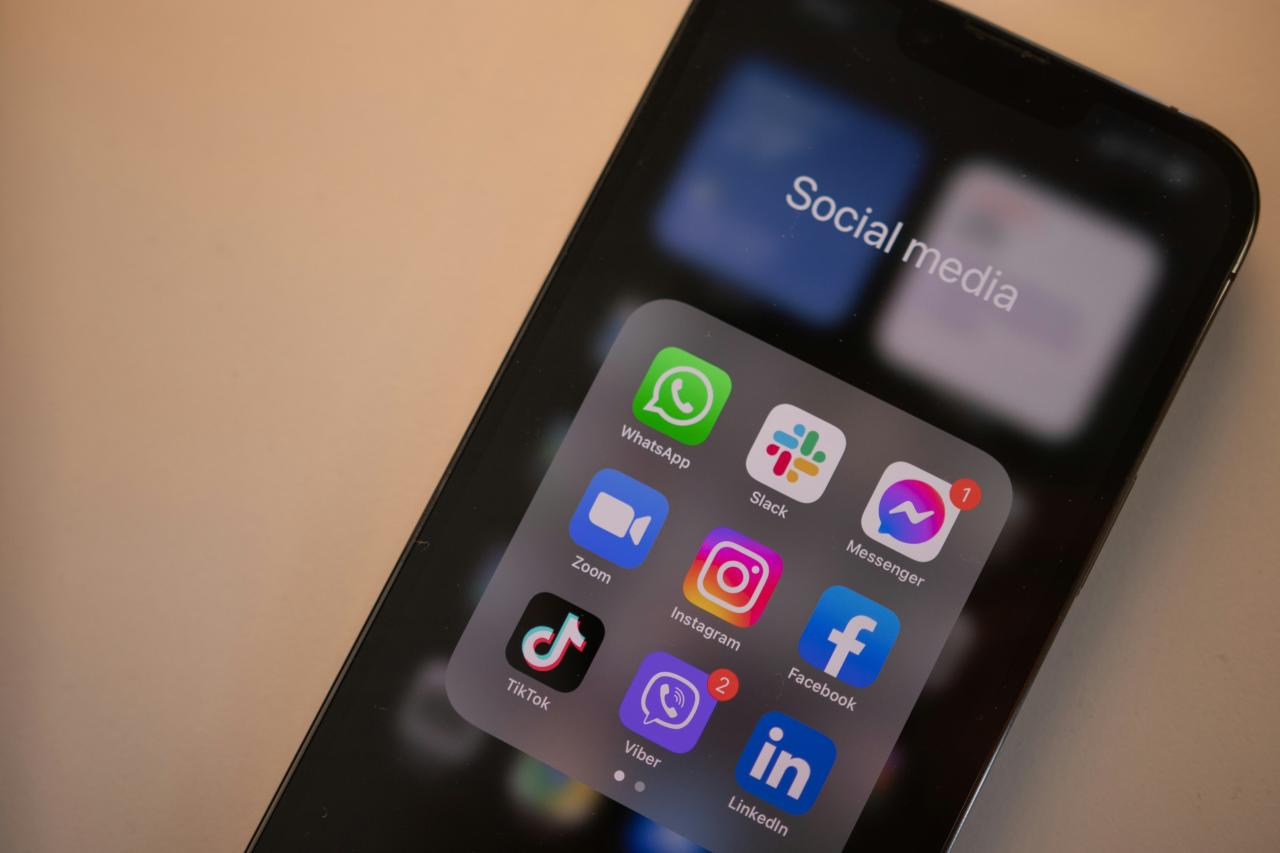
The rapid expansion of the digital landscape has fundamentally altered the way human beings interact, share information, and perceive reality across the global stage. As virtual platforms evolve from simple communication tools into massive, interconnected ecosystems, the concept of social influence has shifted from traditional media gatekeepers to individual content creators. Modern social dynamics are now defined by real-time engagement metrics, algorithmic curation, and the constant flow of user-generated content that shapes public opinion in seconds.
For global brands and high-level executives, understanding these shifting currents is no longer an optional skill but a critical requirement for maintaining cultural relevance and market share. The psychological impact of digital connectivity goes deep into the human subconscious, triggering feedback loops that dictate consumer behavior and political discourse on a massive scale.
As we navigate this complex environment, the distinction between private life and public persona continues to blur, creating a new set of ethical and social challenges for the modern citizen. The power of a single viral moment can elevate a brand to legendary status or dismantle a decade of reputation management with a single misstep. By examining the intricate layers of digital culture, we can begin to uncover the hidden mechanisms that drive social trends and influence the trajectory of our shared future.
This deep dive into the mechanics of online interaction will provide a comprehensive roadmap for those looking to master the art of digital presence in an increasingly crowded marketplace. The journey through the digital age is one of constant adaptation, requiring a blend of technological literacy, psychological insight, and a commitment to authentic storytelling. As the infrastructure of the internet continues to mature, the dynamics of social influence will only become more integrated into the fabric of our daily physical lives.
The transition toward a fully digital social existence has created a new class of power brokers who command the attention of millions. Traditional hierarchies are being replaced by meritocratic systems where engagement and authenticity are the primary currencies of value. Understanding how these platforms manipulate human attention is essential for anyone looking to navigate the modern social world effectively.
Fundamental Drivers of Digital Social Interaction
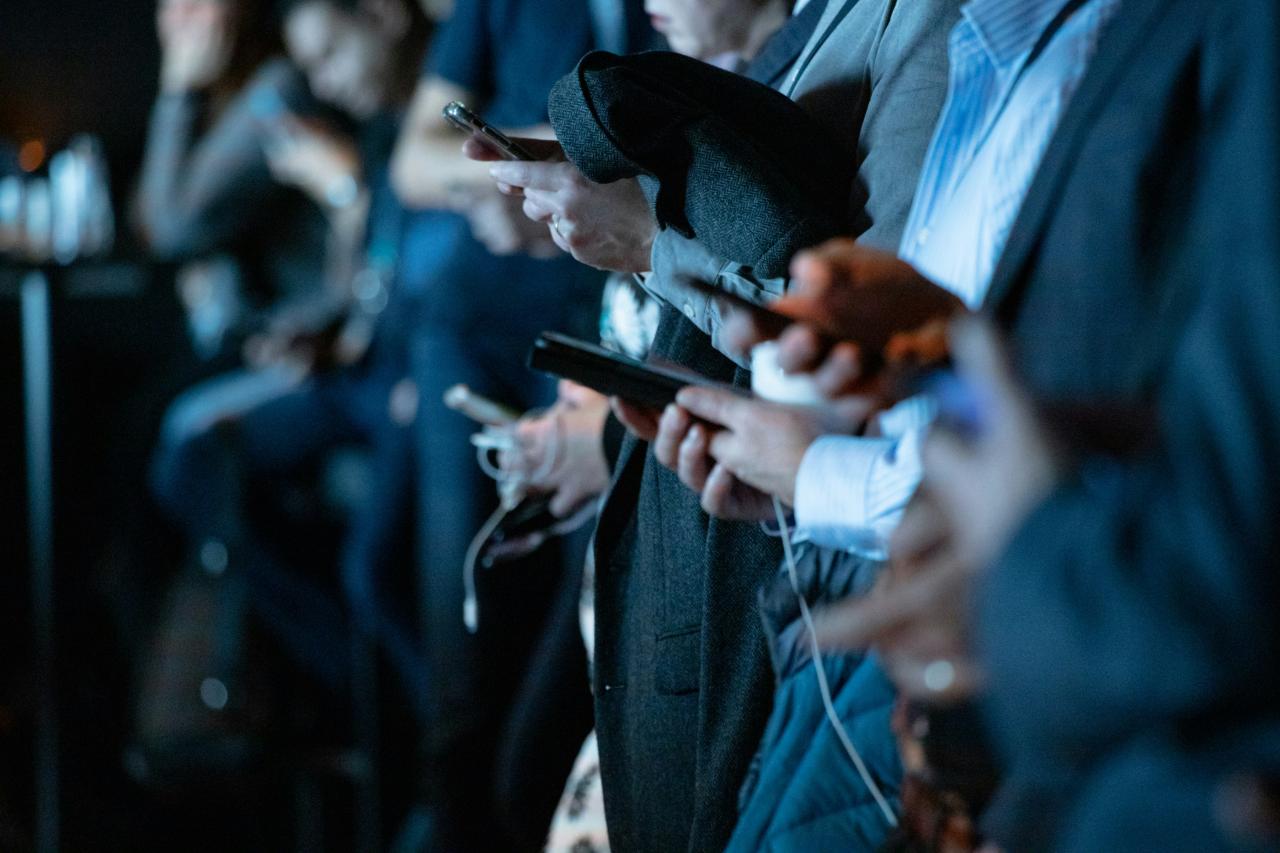
To grasp the full scope of how our culture is changing, we must look at the specific elements that power online communities.
A fragmented approach to social media management often fails to account for the deep-seated psychological needs that these platforms fulfill.
Consider the following core pillars that represent the engine of modern digital social dynamics:
A. Algorithmic Curation and Filter Bubbles
B. The Rise of Micro-Influencer Authority
C. Real-Time Engagement and Feedback Loops
D. The Psychology of Viral Content Distribution
E. Virtual Community Building and Niche Tribes
F. Authenticity as a Premium Brand Currency
G. The Impact of Short-Form Video Consumption
H. Cross-Platform Narrative Synchronization
I. Digital Reputation and Crisis Management
J. The Role of Artificial Intelligence in Content Creation
Algorithmic Curation and Filter Bubbles
Algorithms are the invisible architects of our digital experience, deciding which pieces of information reach our screens and which are hidden.
These mathematical models are designed to maximize time spent on the platform by showing users content that aligns with their existing beliefs.
While this creates a highly personalized experience, it often leads to the creation of “filter bubbles” where diverse perspectives are systematically excluded.
For influencers and brands, understanding the nuances of these algorithms is the key to achieving organic reach.
The system favors content that generates immediate interaction, such as comments, shares, and high watch times.
Breaking out of a niche requires a strategic approach to content variety that signals value to the algorithm across different demographic segments.
The Rise of Micro-Influencer Authority
The era of the “mega-celebrity” is slowly giving way to the rise of micro-influencers who command smaller but much more engaged audiences.
These creators often focus on a specific niche, such as ethical fashion, high-end culinary arts, or niche technological solutions.
Consumers trust these individuals more because they are perceived as more relatable and authentic than traditional A-list stars.
Micro-influencers act as specialized conduits for brand messages, providing a level of social proof that is highly effective.
Their followers often view their recommendations as advice from a trusted friend rather than a paid advertisement.
This dynamic has shifted the focus of marketing budgets toward more targeted and personalized influencer campaigns.
Real-Time Engagement and Feedback Loops
Social media has removed the delay between an action and its public reaction, creating a culture of instantaneous feedback.
The “like” button and the comment section provide immediate dopamine hits that encourage users to continue sharing their lives.
This loop drives the frequency of posting and dictates the type of content that users feel incentivized to produce.
Brands must be prepared to engage with their audience in real-time to maintain a sense of community and responsiveness.
A slow response to a customer query or a public comment can be interpreted as a lack of care or professional incompetence.
The speed of the digital world requires a dedicated team that is always ready to participate in the ongoing conversation.
The Psychology of Viral Content Distribution
Virality is often seen as a mysterious phenomenon, but it is actually rooted in deep-seated human emotions and social triggers.
Content that evokes high-arousal emotions, such as awe, anger, or extreme joy, is much more likely to be shared.
The desire to be the first to share “new” or “exclusive” information also plays a major role in how content spreads across networks.
Understanding these psychological triggers allows creators to engineer content that has a higher chance of reaching a wider audience.
Storytelling that places the viewer at the center of the narrative often generates the most significant emotional resonance.
However, virality is a double-edged sword that can bring both positive fame and intense public scrutiny.
Virtual Community Building and Niche Tribes
The internet has allowed people with highly specific interests to find each other and form vibrant, global communities.
These “niche tribes” operate under their own sets of rules, slang, and cultural norms that are often opaque to outsiders.
Building a presence within these communities requires a deep level of respect and a genuine contribution to the group’s collective knowledge.
Successful brands no longer try to appeal to everyone; they focus on becoming a central figure within a specific tribe.
This builds a level of loyalty and advocacy that is far more valuable than a million passive followers.
Community management is now a high-level skill that involves moderating discussions and fostering a sense of belonging among members.
Authenticity as a Premium Brand Currency
In a world filled with filtered photos and carefully curated highlight reels, raw authenticity has become a rare and valuable commodity.
Users are increasingly drawn to “behind-the-scenes” content that shows the real, unpolished side of a creator or a business.
Showing vulnerability or admitting to mistakes can actually increase a brand’s credibility and strengthen its bond with the audience.
The “unfiltered” movement is a direct response to the perfectionism that dominated the early years of social media.
Authenticity cannot be faked; it requires a transparent approach to communication and a consistent alignment between values and actions.
Creators who maintain their integrity over long periods are the ones who enjoy the most sustainable career growth.
The Impact of Short-Form Video Consumption
The rise of vertical, short-form video has completely changed the way we consume information and entertainment.
These bite-sized clips are designed for rapid consumption, perfectly fitting into the gaps of our busy daily schedules.
The format requires creators to deliver their message in the first few seconds to prevent the user from scrolling past.
This trend has led to a decrease in average attention spans and a demand for more visually stimulating content.
Even complex topics are being broken down into 60-second explainers to satisfy the modern user’s appetite for quick insights.
For a message to be effective in this format, it must be concise, high-energy, and visually engaging from start to finish.
Cross-Platform Narrative Synchronization
Most digital citizens now inhabit multiple platforms simultaneously, from professional networks like LinkedIn to visual-heavy spaces like Instagram.
Maintaining a consistent narrative across these diverse environments is essential for building a recognizable personal or corporate brand.
However, the content must be adapted to fit the specific culture and technical requirements of each platform.
A professional insight on one platform might be shared as a humorous meme on another, reaching different segments of the same audience.
Synchronization ensures that the core message remains clear even as the delivery method changes.
This multi-channel approach increases the frequency of touchpoints and reinforces the brand’s presence in the user’s mind.
Digital Reputation and Crisis Management
A reputation that took decades to build can be compromised in a matter of minutes by a single poorly worded post or a viral complaint.
Digital culture is inherently reactionary, and the “court of public opinion” often reaches a verdict before all the facts are known.
Having a robust crisis management plan is a non-negotiable requirement for any high-profile individual or organization.
Transparency and a sincere apology are usually the best first steps when dealing with a digital PR disaster.
Trying to hide or delete evidence often leads to the “Streisand Effect,” where the information becomes even more widely shared.
Long-term reputation management involves consistently producing positive, high-value content to push negative results further down the search page.
The Role of Artificial Intelligence in Content Creation
Artificial intelligence is now capable of generating realistic images, writing persuasive copy, and even creating synthetic voices.
This technology allows for a level of content production speed that was previously impossible for human creators.
However, it also raises significant questions about authorship, truth, and the value of human-made art.
AI can be a powerful tool for brainstorming and automating the more tedious aspects of social media management.
Smart creators use AI to enhance their work rather than replace their unique creative voice.
As the technology improves, the ability to distinguish between human and machine-generated content will become a major social challenge.
The Ethics of Influence and Data Privacy
As influencers gain more power, the ethical responsibility they hold toward their audience becomes a central topic of discussion.
Promoting harmful products or spreading misinformation can have real-world consequences for the health and safety of followers.
At the same time, platforms are under pressure to be more transparent about how they use user data to target advertisements.
Consumers are becoming more savvy about their privacy and are demanding more control over their digital footprints.
Brands that prioritize ethical data practices and honest communication are winning the trust of the “privacy-conscious” generation.
The future of digital culture will be defined by the balance between personalized experiences and the protection of individual rights.
The Future of Social Connectivity
We are moving toward a more immersive and decentralized version of the internet where virtual and physical worlds collide.
Technologies like augmented reality and the metaverse will allow for social interactions that feel much more real and visceral.
Decentralized platforms are also emerging as a way to give power back to the creators rather than the corporate owners of the network.
The core human need for connection and belonging will continue to drive the evolution of these technologies.
While the platforms will change, the fundamental principles of influence and social dynamics will remain largely the same.
Staying ahead of these trends requires a curious mind and a willingness to experiment with new ways of connecting with the world.
Conclusion

Digital culture is a complex and ever-evolving ecosystem that shapes our modern reality. Understanding the power of algorithms is essential for anyone seeking a wide audience today. Authenticity has become the most valuable currency in an increasingly filtered social world.
Micro-influencers provide a level of trust and engagement that mega-celebrities simply cannot match. Real-time feedback loops drive the behavior of both creators and their loyal followers. Short-form video is currently the dominant method of information consumption across all platforms. Niche tribes allow for deep community building that transcends geographic and cultural boundaries. Reputation management is a continuous process that requires constant vigilance and strategic planning. Artificial intelligence is a powerful tool that must be used with ethical considerations in mind. The future of connectivity will be defined by more immersive and decentralized social experiences.