


The landscape of modern motion graphics has transitioned from traditional keyframe animation into a sophisticated era of high-speed procedural generation and real-time playback. For the creative professional, the ability to manifest complex visual narratives with instantaneous feedback is no longer a luxury but a strategic necessity for maintaining a competitive edge in a fast-paced media environment. These advanced platforms utilize high-performance GPU acceleration and multi-threaded processing to handle millions of polygons and intricate particle systems without the traditional rendering bottlenecks that once stifled creativity.
By utilizing these tools, designers can now observe the physical interactions of light, shadow, and motion in real-time, allowing for a level of iterative experimentation that was previously reserved for the world’s most elite visual effects houses. This shift represents a democratization of high-end production value, where the limiting factor is no longer the speed of the hardware but the breadth of the creator’s imagination and their ability to orchestrate complex digital workflows.
As the demand for immersive content grows, the synergy between human intuition and machine intelligence has birthed a new category of “kinetic directing” that prioritizes speed, precision, and unparalleled visual fidelity. From automated physics simulations and intelligent character rigging to the creation of entirely new abstract sequences through procedural algorithms, these high-speed tools are the primary engines driving the next generation of broadcast, marketing, and digital experiences. Understanding the nuances of each software’s unique engine and real-time capabilities is essential for those who view their digital output as a high-value asset and require professional-grade tools to ensure peak aesthetic impact and narrative resonance.
A. Maxon Cinema 4D Redshift Integration
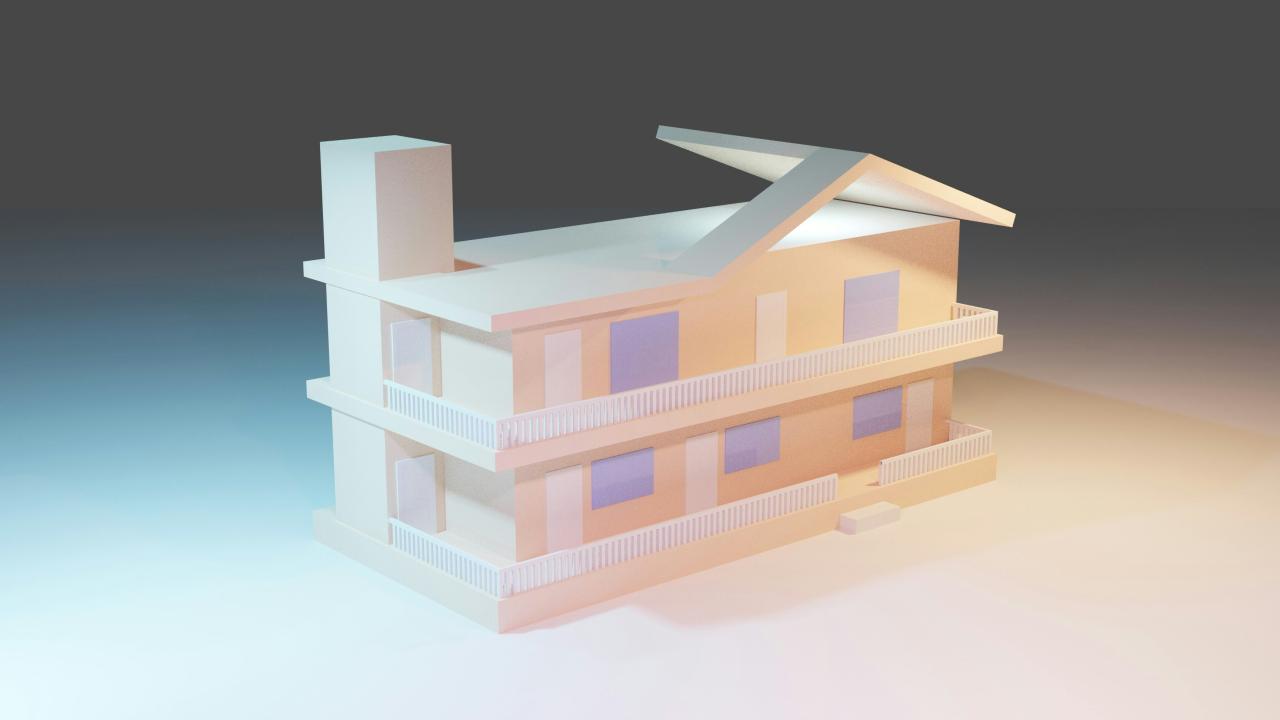
Cinema 4D stands as a pinnacle of professional motion design, offering a highly intuitive workflow that favors speed and stability in complex production environments. Its integration with the Redshift GPU-accelerated engine allows for the near-instantaneous rendering of photorealistic materials and lighting.
The platform is celebrated for its MoGraph toolset, which provides a procedural approach to duplicating and animating thousands of objects with surgical precision. It is the premier choice for broadcast designers who require high-output creative assets under tight deadlines.
B. Adobe After Effects Multi Frame Rendering
After Effects has fundamentally upgraded its core architecture to support multi-frame rendering, significantly decreasing the time required to export complex compositions. This high-speed evolution ensures that the software can fully utilize modern multi-core processors for smoother timeline playback.
The ecosystem’s integration with various AI-driven plugins allows for automated rotoscoping and intelligent object removal, which saves hours of manual labor. It remains the industry standard for 2D animation and high-end visual compositing.
C. SideFX Houdini Procedural Power
Houdini is a powerhouse of procedural generation, allowing artists to build complex systems that can be adjusted and re-rendered with incredible speed through its node-based architecture. It excels at high-speed simulations of fluids, smoke, and fire that follow the exact laws of physics.
The “Solaris” look-development environment provides a high-fidelity path-tracing experience that allows for real-time adjustments to lighting and shading. It is a strategic asset for studios that handle large-scale visual effects and intricate technical animations.
D. Unreal Engine Motion Design Suite
Unreal Engine has disrupted the traditional motion graphics market by offering a dedicated suite of tools specifically for high-speed, real-time broadcast and event visuals. Its “Lumen” dynamic global illumination system provides immediate feedback on how light interacts with moving geometry.
The ability to play back high-resolution sequences in real-time eliminates the need for a traditional rendering phase during the creative process. It is a vital tool for immersive live experiences and virtual production environments.
E. Blender Cycles Real Time Feedback
Blender’s Cycles engine provides a world-class physically based path-tracer that offers professional-grade features for free, including advanced AI denoising and a robust node-based shading system. The “Eevee” engine provides a real-time alternative for those who need instant feedback on their animation setups.
The platform’s open-source nature has fostered a massive ecosystem of add-ons that automate everything from sky generation to the placement of particle emitters. It is the ultimate tool for indie artists looking to achieve high production value without high overhead.
F. Cavalry Procedural 2D Precision
Cavalry is a dedicated 2D animation software built from the ground up for high-speed procedural workflows and data-driven design. It allows for the creation of complex patterns and generative art that can be manipulated in real-time.
The software is particularly strong in its ability to handle live data feeds, making it an ideal tool for sports broadcasting and financial visualization. It represents a significant shift toward a more technical and efficient 2D animation process.
G. Notch Real Time Visual Effects
Notch is a high-performance tool designed specifically for the live events industry, offering a fully real-time environment for visual effects and motion graphics. It allows designers to create, simulate, and render in a single unified workflow.
The platform is often used for concert visuals and interactive installations where the graphics must respond to live music or movement. Its high-speed engine ensures that there is zero latency between the creative input and the final visual output.
H. Autodesk Maya Bifrost Framework
Maya’s Bifrost framework provides a sophisticated environment for creating complex procedural effects and high-speed simulations within a professional 3D suite. It allows for the creation of intricate biological and physical systems through a visual programming interface.
The software is a staple in the film industry for its robust rigging and animation tools that support high-speed character pipelines. It is a reliable choice for studios that require deep customization and high-end technical control.
I. Blackmagic Fusion Node Based Speed
Fusion offers a powerful node-based compositing environment that is integrated directly into the DaVinci Resolve timeline for a seamless high-speed workflow. Its GPU-accelerated toolset provides instantaneous feedback on color grading, keying, and 3D particles.
The platform’s ability to handle massive image resolutions makes it a strategic choice for high-end cinematic productions. It emphasizes a professional, non-linear approach to visual storytelling that prioritizes performance.
J. Apple Motion Graphics Architecture
Apple Motion is designed to work in perfect synergy with Final Cut Pro, providing a high-speed environment for creating titles, transitions, and effects. It utilizes the Metal graphics engine to ensure that playback remains fluid even with multiple layers of high-resolution video.
The software is particularly adept at real-time behaviors, allowing objects to move and interact based on simple physical rules. It is an efficient tool for editors who need to produce high-quality motion assets without leaving their main editing suite.
K. The Value of Procedural Automation
Proceduralism allows for the creation of complex visuals through a set of rules rather than manual keyframing, which significantly increases production speed. High-speed tools use this architecture to allow for infinite variations of a design with minimal effort.
This automation is essential for modern branding projects where a visual identity must be applied across hundreds of different formats. It ensures that every asset maintains a consistent aesthetic while being generated in a fraction of the time.
L. GPU Acceleration and Real Time Playback
Modern motion graphics rely heavily on the power of the Graphics Processing Unit to handle the immense mathematical calculations required for rendering. High-speed software is optimized to utilize these chips to provide real-time visual feedback.
This capability allows designers to stay in the “creative flow,” as they no longer have to wait minutes or hours to see the results of a single change. It has fundamentally altered the psychology of the design process, making it more iterative and playful.
M. AI Augmented Rotoscoping Efficiency
Identifying and isolating subjects in a video—traditionally known as rotoscoping—is one of the most time-consuming tasks in motion design. High-speed software now incorporates AI algorithms that can automate this process with incredible accuracy.
These tools use deep learning to understand the edges of an object, allowing for perfect masks to be generated in seconds. This efficiency allows artists to focus on the creative aspects of compositing rather than the tedious manual labor.
N. Intelligent Particle Systems and Physics
Simulating the behavior of millions of individual particles is a hallmark of high-end motion graphics. High-speed platforms use advanced physics engines to calculate the collisions and forces acting on these particles in real-time.
These systems are used to create everything from realistic smoke and fire to abstract digital landscapes. The ability to simulate these effects quickly is a key driver of modern visual innovation.
O. Data Driven Motion and Visualization
Data-driven motion graphics allow for the creation of visuals that are directly controlled by external spreadsheets or live data feeds. High-speed software can process this information and update the graphics instantaneously.
This is a strategic tool for news organizations and financial institutions that need to present complex information in a clear and engaging way. It ensures that the visuals are always accurate and up-to-date.
P. Cloud Based Rendering and Collaboration
The transition to cloud-based workflows has allowed for the distribution of high-speed rendering tasks across massive server farms. This ensures that even the most complex projects can be delivered on time, regardless of local hardware limitations.
Collaborative features allow multiple artists to work on the same high-speed project from different locations. This global connectivity is essential for the modern, remote-first production environment.
Q. The Rise of Real Time Virtual Production
Real-time virtual production uses high-speed game engines to render backgrounds on LED walls during a physical film shoot. This allows for perfect lighting and reflections to be captured in-camera, eliminating the need for green screens.
This technology has revolutionized the film and television industry by allowing directors to see the final visual effects on set. It represents the ultimate synergy of high-speed motion graphics and traditional cinematography.
R. Ethical Data and Software Licensing
For enterprise users, the legal and ethical status of their creative tools is a paramount concern. Leading software providers ensure that their AI-driven features are built on transparent data sets and offer clear commercial licensing.
Choosing a professional platform with a secure legal framework is a key strategic decision for high-stakes projects. It ensures that the resulting digital assets are protected and ready for global distribution.
S. Interactive Motion and User Experience
Motion graphics are increasingly being used within interactive user interfaces to guide and delight users. High-speed tools allow for the creation of lightweight, responsive animations that enhance the digital experience on web and mobile devices.
These animations must be optimized for performance to ensure they do not slow down the user’s device. The ability to create high-impact visuals that are also technically efficient is a core skill for modern designers.
T. The Future of Neural Motion Synthesis
As we look toward the future, the integration of neural networks will allow for the synthesis of motion through simple text or voice commands. These future systems will act as a collaborative partner, suggesting movements and transitions based on the narrative context.
Professionals who master current high-speed tools are well-positioned to leverage these future breakthroughs. The journey toward absolute creative efficiency is a continuous process of learning and thriving through the power of kinetic technology.
Conclusion

The evolution of kinetic design is defined by the pursuit of absolute visual speed. High-performance software has eliminated the traditional barriers between an idea and its execution. Platforms like Cinema 4D and Unreal Engine lead the industry in real-time professional output.
The transition to procedural and AI-augmented workflows is a strategic requirement for success. GPU acceleration has turned the rendering process into an instantaneous feedback loop. Enterprise-level suites offer the scale and collaboration needed for global production. Mastering these high-speed systems is the definitive key to professional longevity in design. Investing in high-end motion technology today ensures your creative value remains at the absolute cutting edge.

