


The rapid ascension of generative artificial intelligence has fundamentally reconstructed the traditional architecture of digital media production, moving us away from manual frame-by-frame labor toward a high-fidelity era of automated cinematic excellence. For the modern creative professional, the integration of generative video editing software is no longer a peripheral experiment but a central strategic requirement for maintaining a competitive edge in an increasingly saturated attention economy.
These sophisticated platforms utilize advanced neural networks and latent diffusion models to understand the deep semantic structures of visual storytelling, allowing for the seamless synthesis of new content that was previously impossible without million-dollar budgets and extensive visual effects teams. By utilizing these tools, editors can now manipulate light, texture, motion, and even the physical laws of a scene through simple natural language prompts or intuitive brush strokes. This shift represents a democratization of high-end production value, where the limiting factor is no longer technical hardware or manual dexterity, but the breadth of one’s creative vision and the ability to orchestrate complex AI workflows.
As we navigate this transformative landscape, the synergy between human intuition and machine intelligence has birthed a new category of “creative directing” that prioritizes speed, iterative experimentation, and unparalleled visual fidelity. From automated rotoscoping and intelligent inpainting to the generation of entirely new cinematic sequences from scratch, these generative tools are the primary engines driving the next generation of marketing, film, and social media content. Understanding the nuances of each platform’s unique algorithm and output quality is essential for those who view their digital output as a high-value asset and require professional-grade tools to ensure peak aesthetic impact and narrative resonance.
A. Runway Gen Series Ecosystem
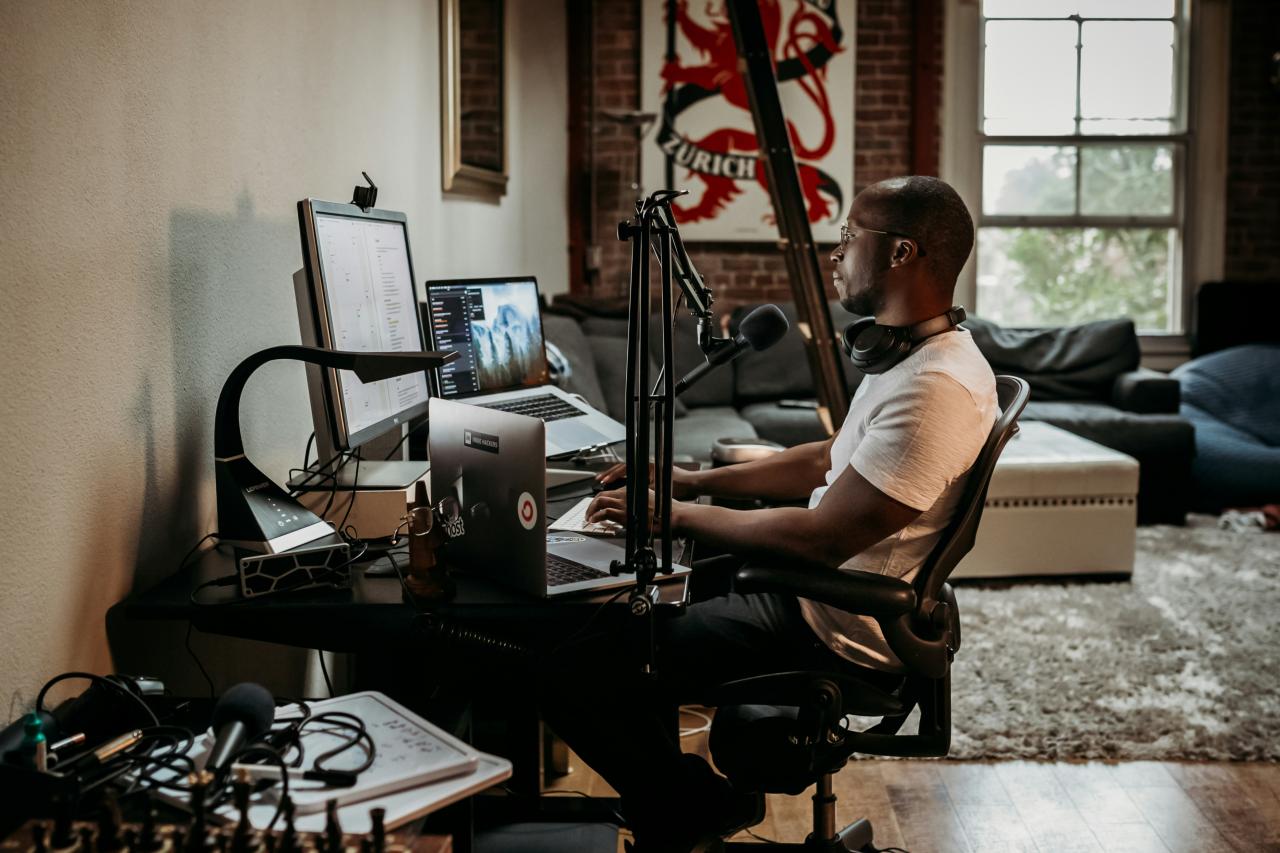
Runway stands as the definitive leader in the generative video space, providing a professional-grade suite that combines traditional editing tools with radical AI capabilities. Its Gen-2 and Gen-3 models allow for high-resolution video synthesis that maintains incredible temporal consistency across every frame.
The platform’s Multi-Motion Brush gives editors the power to isolate specific elements in a video and dictate their movement with surgical precision. It is the premier choice for filmmakers who require a high degree of control over their synthetic assets.
B. Adobe Premiere Pro Firefly Integration
Adobe has successfully bridged the gap between legacy editing workflows and the future of AI by embedding its Firefly models directly into the Premiere Pro timeline. This allows professionals to use generative extend to add frames to clips that are too short for a specific transition.
The system also supports intelligent object removal and addition, which can save hours of tedious manual masking. It provides a familiar environment for veterans who want to leverage the latest breakthroughs without changing their primary software.
C. DaVinci Resolve Neural Engine
DaVinci Resolve has long been the gold standard for color grading, and its latest iterations utilize a powerful neural engine to automate complex visual tasks. The Magic Mask feature uses AI to track people and objects with a level of accuracy that was once only possible in high-end VFX suites.
The software also includes advanced depth map generation and relighting tools that allow for the post-production manipulation of 3D space. It is a vital tool for colorists who need to maintain a high-end look while accelerating their project turnaround times.
D. Descript Text Based Video Architecture
Descript has revolutionized the concept of the “rough cut” by treating video editing like a text document. By editing the transcript, the software automatically cuts the video to match, which is a massive efficiency boost for dialogue-heavy content.
The platform also features generative “Underlord” tools that can remove filler words and even regenerate audio in the speaker’s voice to fix mistakes. It is a strategic asset for podcasters and corporate communications teams who prioritize clarity and speed.
E. HeyGen Professional Video Avatars
HeyGen focuses on the generative creation of hyper-realistic digital avatars that can deliver scripts with perfect lip-syncing and natural body language. This technology allows brands to produce high-volume training and marketing content without a physical film crew.
The “Video Translate” feature is particularly impressive, as it can dub a video into multiple languages while maintaining the original speaker’s voice and mouth movements. This makes it a high-value tool for global enterprises looking to localize their message instantly.
F. Synthesia Enterprise Synthetic Media
Synthesia is a powerhouse for large-scale corporate video production, providing a library of diverse avatars that can be directed via text input. The platform’s API allows for the automated generation of thousands of personalized videos for sales and customer success teams.
The visual quality is designed for professional use, ensuring that the synthetic presenters look polished and authoritative. It is a robust solution for businesses that need to scale their video communication without scaling their production costs.
G. OpenAI Sora Narrative Synthesis
While not yet available for wide public release, Sora represents the pinnacle of text-to-video fidelity, capable of creating complex scenes with multiple characters and accurate physics. It serves as a benchmark for the industry, showcasing how AI can understand the 3D world from 2D data.
The model’s ability to maintain character consistency across different shots is a significant breakthrough for synthetic storytelling. It is a glimpse into a future where entire films could be storyboarded and generated in a single digital environment.
H. Google Veo High Fidelity Generation
Google Veo is designed to produce 1080p video that follows cinematic principles like camera movements and lighting transitions. It integrates seamlessly with the Google Cloud ecosystem, providing a scalable solution for agencies that require high-output creative assets.
The model is trained to understand specific filmmaking terminology, allowing users to “direct” the AI using professional language. This results in outputs that feel like they were shot by a human cinematographer rather than randomly generated.
I. Kling AI Professional Motion Dynamics
Kling AI has gained significant traction for its ability to produce long-form generative clips with smooth, realistic motion and high-resolution textures. It excels at complex human movements and fluid simulations, which are notoriously difficult for most AI models.
The platform supports advanced image-to-video prompts, allowing creators to turn static high-end photography into dynamic cinematic sequences. This makes it a favorite for fashion and architectural visualization professionals.
J. Pika Labs Animation And Style Control
Pika Labs offers a highly versatile tool for generating stylized animations and modifying existing video clips with unique artistic filters. Its “Modify Region” tool allows editors to change specific parts of a video, such as swapping out a character’s clothing or altering the background.
The software is optimized for social media workflows, providing quick iterations and a highly responsive user interface. It is an excellent resource for motion designers who need to add high-impact visual flair to their projects.
K. Luma Dream Machine Kinetic Realism
Luma Dream Machine is a high-speed generative model that prioritizes physical realism and consistency in its video outputs. It is particularly effective at generating assets that feel grounded in reality, with accurate lighting and shadow interactions.
The platform allows for both text and image prompts, making it a flexible tool for brainstorming visual concepts during the pre-production phase. It is a robust option for creators who need to produce high-quality drafts in a matter of seconds.
L. Topaz Video AI Restoration Mastery
Topaz Video AI is the industry standard for generative upscaling and the restoration of low-quality footage. It uses sophisticated neural networks to increase resolution, remove noise, and even create smooth slow-motion from standard frame rates.
This tool is indispensable for editors working with archival footage or low-budget source material that needs to be upgraded for 4K delivery. It ensures that every asset in a timeline meets a professional standard of visual clarity.
M. Wondershare Filmora Creative Copilot
Filmora has evolved into a feature-rich editor that incorporates various AI “copilots” to help users navigate the editing process. Its generative tools include AI smart cutout and auto-reframe, which are essential for multi-platform social media distribution.
The platform is designed to be accessible while still offering powerful features that can compete with more expensive professional suites. It is a strategic choice for solo creators who need to act as their own production house.
N. InVideo AI Automated Scripting
InVideo AI acts as a complete production assistant, transforming a simple prompt or article into a finished video with voiceovers and stock footage. Its generative engine selects the most relevant visual assets and stitches them together based on the narrative flow of the script.
The software allows for rapid editing via text commands, where you can tell the AI to “make the music more upbeat” or “change the voiceover to a British accent.” This makes it an incredibly efficient tool for content marketing at scale.
O. CapCut Professional Social Features
CapCut has moved beyond its mobile roots to become a powerful desktop editor that is widely used by professional social media agencies. Its AI-driven background removal and auto-captioning tools are among the fastest and most accurate in the industry.
The platform’s deep integration with trending visual effects and audio makes it the ultimate tool for creating viral-ready content. It provides a highly efficient workflow for editors who need to produce high-volume content for TikTok and Instagram.
P. Veed.io Browser Based Efficiency
Veed.io provides a comprehensive suite of AI video tools within a browser-based environment, making it ideal for remote collaboration. Its generative features include auto-subtitles, background noise removal, and the ability to create synthetic voiceovers from text.
The platform is built for speed, allowing marketing teams to go from an idea to a polished video in minutes. It simplifies the technical side of video editing so that the focus remains on the creative message.
Q. Sora By OpenAI Visual Consistency
Sora remains a significant focus for the future of generative media because of its ability to simulate physical interactions within a scene. This level of environmental awareness ensures that objects move and react in a way that feels natural to the human eye.
While the tool is still being refined for safety and accuracy, its impact on the industry is already being felt as competitors race to match its fidelity. It represents the gold standard for prompt-adherence and cinematic quality.
R. DeepBrain AI Business Communication
DeepBrain AI specializes in creating high-quality AI human videos for business presentations and customer service. Their avatars are designed to be professional and trustworthy, making them suitable for high-stakes corporate environments.
The platform allows for the creation of “digital twins,” where a real-life executive can be scanned and turned into an AI avatar for future video generation. This provides a unique solution for busy leaders who need to maintain a constant video presence.
S. Kaiber AI Creative Stylization
Kaiber AI is a favorite for music videos and artistic projects because of its ability to transform footage into surreal, high-detail animations. It uses a variety of generative styles to create visuals that are both evocative and unique.
The platform’s “Motion” feature allows users to control the intensity of the AI’s transformations, ensuring that the output matches the desired emotional tone. It is a powerful tool for creators who want to push the boundaries of visual style.
T. Stability AI Video Diffusion
Stability AI provides open-source and commercial models that allow for the generation of video from text and image prompts. Their Stable Video Diffusion model is highly customizable, making it a favorite for developers and technical artists who want to build their own generative workflows.
The flexibility of the model allows for a wide range of creative applications, from realistic cinematic clips to abstract motion graphics. It is a foundational technology that is driving innovation across the entire generative media landscape.
Conclusion
The landscape of visual storytelling has been permanently altered by these generative tools. Every creative decision can now be augmented by high-fidelity machine intelligence.
Professional editors must adapt to these new workflows to maintain their creative relevance.Investing in these premium software suites is an investment in your production efficiency. The ability to generate cinematic assets from scratch provides an unparalleled strategic advantage. Future projects will increasingly rely on the synergy between human taste and AI speed. Choosing the right tool depends on your specific needs for control, scale, and fidelity. Mastering these platforms is the key to thriving in the next era of digital media.

