


Managing your personal or business capital in this fast-paced digital era requires more than just a simple spreadsheet. For a long time, people struggled with manual data entry and paper receipts that often went missing during tax season.
We are now witnessing a massive shift toward integrated financial management software that automates every single transaction in real-time. This evolution means you can monitor your cash flow, investments, and expenses from a single dashboard on your smartphone.
Modern financial tools use intelligent algorithms to categorize your spending and predict your future balance with incredible accuracy. By adopting these smart systems, you can eliminate the stress of budgeting while significantly increasing your monthly savings rate.
This article explores the essential pillars of modern financial management and how you can start your digital journey today.
You will discover the practical secrets that turn a messy bank statement into a clear roadmap for long-term wealth. Let us explore the best path toward a more organized and profitable life for you and your family.
Success in the modern economy depends on your ability to leverage the right software to protect and grow your hard-earned money. From automated expense tracking to sophisticated investment analysis, the depth of available fintech tools is truly vital for any forward-thinking individual.
You do not need a degree in accounting to master these systems if you know which platforms offer the best user experience. This guide breaks down complicated financial concepts into easy and actionable tasks that you can perform in minutes.
We will show you how to identify the best management tools that offer the highest security and the most helpful features. You will discover why real-time data is the most important factor in making smart decisions about your financial future.
The goal is to build a resilient money habit where you control your wealth instead of your wealth controlling you. Join us as we decode the art of smart financial management and help you master your path toward total freedom.
Let us explore the best ways to keep your cash flowing while you pursue your biggest and most exciting life goals.
Centralizing Your Accounts With Unified Dashboards
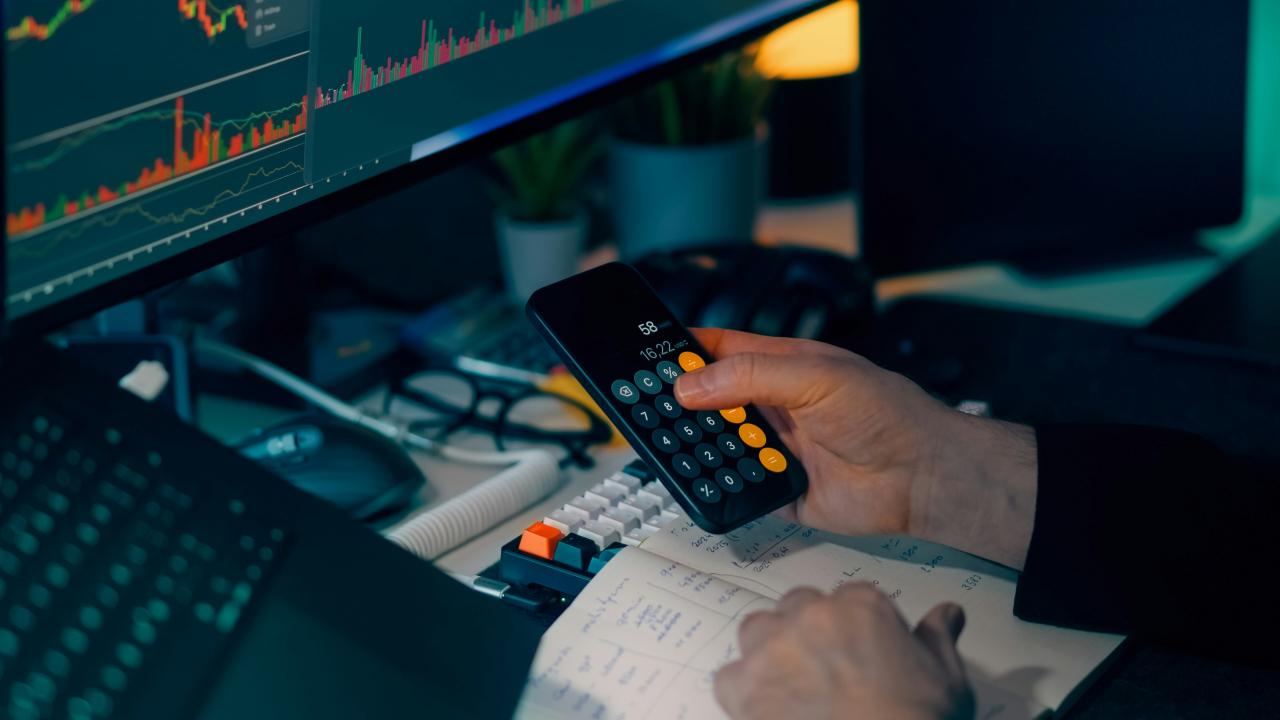
A unified financial dashboard acts as the command center for your entire economic life by connecting all your bank accounts in one place. In the past, you had to log into five different websites just to see how much total money you actually owned.
Now, savvy users connect their checking, savings, and credit card accounts to a single platform that updates automatically every hour.
This “big picture” view allows you to spot unusual charges or high fees that you might have missed when looking at accounts individually. It is a fundamental shift toward total transparency that gives you a realistic understanding of your current net worth.
A. Linking all your global bank accounts and credit cards to a secure aggregator to view your total liquidity instantly.
B. Customizing your dashboard widgets to show the most important metrics, such as your daily spending limit or monthly goal progress.
C. Setting up “low balance” alerts across all connected institutions to prevent overdraft fees and maintain a healthy credit score.
D. Analyzing your net worth trends over time to see how your assets are growing compared to your total liabilities.
Many people feel overwhelmed by the idea of seeing all their debt and spending in one single, honest place. You solve this “avoidance habit” by realizing that you cannot fix a problem that you refuse to measure or look at.
Think of your dashboard as a GPS for your money; it doesn’t judge where you are, it just helps you get where you want to go. When you have a clear view of your numbers, the fear of the unknown disappears and is replaced by a sense of calm control.
Automating Expense Categorization And Budgeting
Budgeting used to be a boring chore that required hours of sorting through paper receipts and typing numbers into a computer. In the past, most people gave up on their budgets because the manual work was simply too time-consuming to maintain every week.
Now, modern management software uses machine learning to automatically tag your transactions as “Groceries,” “Rent,” or “Entertainment” the moment they happen.
This allows you to see exactly where your money goes without ever having to write a single note or save a paper bill. It is a strategic move that turns your spending history into a powerful lesson on how to save more money effectively.
A. Defining “spending rules” in your software so that specific recurring transactions always go into the correct budget category.
B. Reviewing your monthly “spending pie chart” to identify which non-essential categories are draining your savings most rapidly.
C. Creating “sinking funds” for future big purchases like a new car or a holiday by automating small transfers every payday.
D. Comparing your actual spending against your planned budget in real-time to avoid overspending during the final week of the month.
The biggest mistake is setting a budget that is too strict, which leads to “budget burnout” and a return to old, bad habits. You solve this “perfectionism trap” by building a “fun money” category into your automated budget so you can spend without feeling guilty.
Your software should serve your lifestyle, not restrict it to the point where you feel like you are not enjoying your life. When the system handles the math, you can focus on making better choices that align with your long-term happiness.
Optimizing Tax Preparation With Digital Receipts
Tax season is often the most stressful time of the year for small business owners and high-income freelancers alike. In the past, the “shoebox method” of saving physical receipts led to missed deductions and thousands of dollars in lost tax savings.
Now, modern financial tools allow you to snap a photo of a receipt and instantly link it to the corresponding transaction in your bank feed.
This creates a “digital audit trail” that is perfectly organized and ready for your accountant or tax software at the end of the year. It is a proactive way to ensure you keep every dollar the law allows while minimizing the risk of a stressful audit.
A. Using mobile scanning apps that extract the date, vendor, and total amount from your physical receipts using OCR technology.
B. Tagging specific transactions as “Business Expense” or “Tax Deductible” as they occur to avoid the year-end scramble.
C. Syncing your financial management software with your tax filing platform to export all your organized data with one click.
D. Storing digital copies of your invoices and contracts in a secure, encrypted cloud folder that is linked to your financial dashboard.
Many professionals think they don’t have enough expenses to justify using a dedicated receipt management system every day. You solve this “underestimation” by realizing that even small ten-dollar deductions add up to a significant amount of money over a full year.
Think of your receipt scanner as a tool that prints free money by capturing every legal deduction you are entitled to take. Organzing your paperwork in real-time is the best gift you can give your future self when the tax deadline approaches.
Monitoring Investment Performance And Asset Allocation
Smart financial management goes beyond just tracking what you spend; it involves monitoring how your existing wealth is working for you. In the past, checking your investment performance required waiting for a quarterly paper statement to arrive in the mail from your broker.
Now, integrated tools allow you to track your stocks, bonds, crypto, and real estate in real-time alongside your daily cash accounts. You can see your “asset allocation” at a glance and determine if you are taking too much risk or not enough for your age.
This holistic view ensures that your long-term portfolio stays balanced even when the global markets are moving through a volatile period.
A. Integrating your brokerage accounts and retirement funds into your main financial software for a complete wealth overview.
B. Setting “rebalancing alerts” that notify you when one part of your portfolio grows too large and needs to be adjusted.
C. Calculating your “real rate of return” after fees and inflation to see if your current investment strategy is truly profitable.
D. Tracking your dividend income and interest payments to monitor the growth of your passive income streams over the years.
The challenge with investment tracking is the temptation to react emotionally to daily price swings on your digital dashboard. You solve this “volatility stress” by focusing on your long-term trend lines rather than the daily “red” or “green” numbers on the screen.
Your software is a telescope for the future, not a microscope for the present moment’s market noise and chaotic headlines. Use the data to stay informed, but use your long-term plan to stay disciplined and keep your eyes on the prize.
Conclusion

Smart financial tools represent a strategic breakthrough in personal sovereignty, replacing manual oversight with innovative digital integration and real-time data clarity that ensure your capital engine wins today.
By integrating automated expense tagging and multi-bank connectivity into your daily flow, you can effectively eliminate inefficient spending and tax-related stress while benefiting from the increased growth of a well-monitored stock portfolio.
Taking immediate action to audit your financial habits and adopting a logic-based mission to digitize every receipt allows you to reclaim your economic freedom, grow your personal prosperity, and secure a lasting legacy through disciplined wealth management.
The path to a successful and high-performance financial life is clear when you use intelligent software as your primary tool to fuel rapid progress and achieve ultimate stability starting today.

