

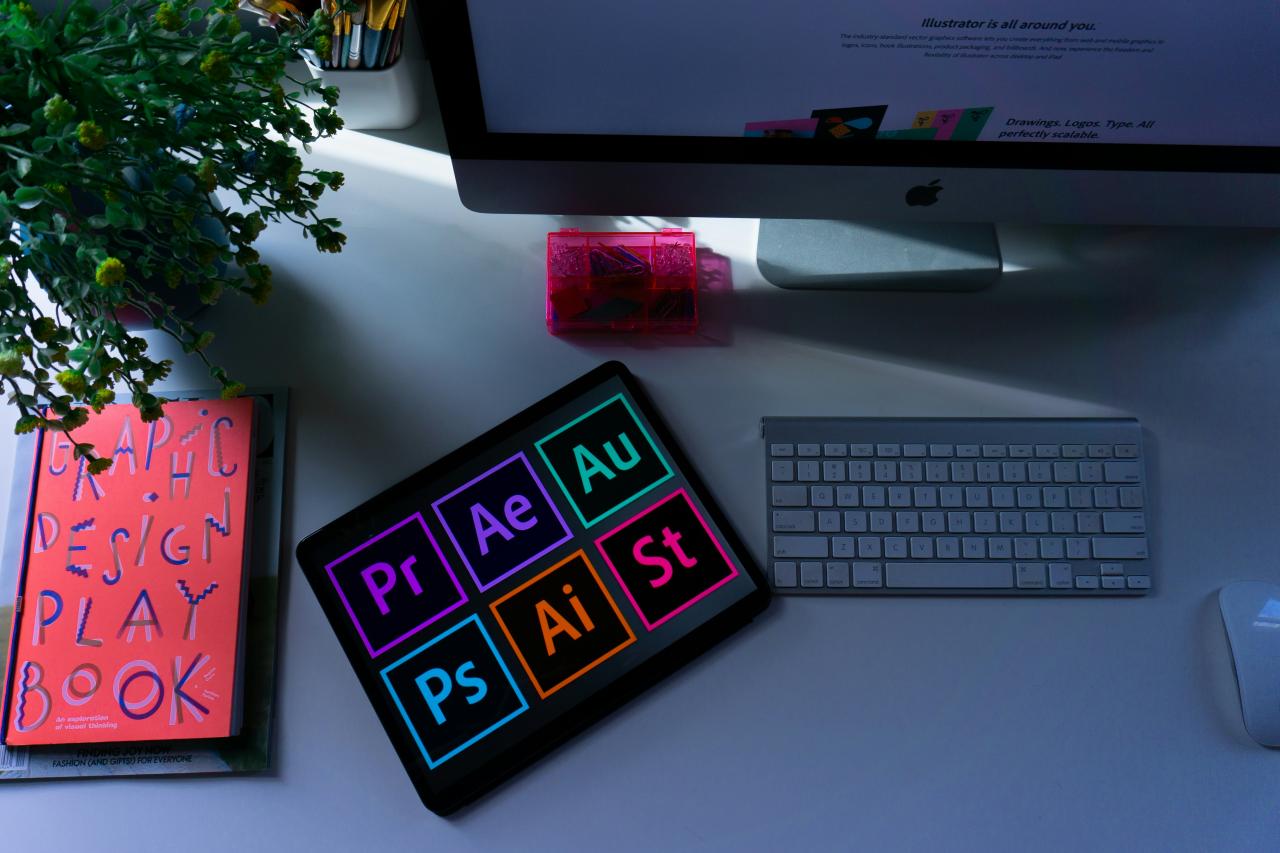
The landscape of visual communication is currently undergoing a radical transformation as digital interfaces become the primary way we interact with the world. We are moving away from static, one-dimensional graphics and entering an era of immersive and high-velocity digital experiences.
You might notice that the most successful global brands now prioritize emotional resonance and technical precision over simple aesthetic appeal. This transition toward high-value design creates a clear roadmap for a future where your visual assets act as a silent but powerful salesperson.
Most creators struggle to stand out because they follow fading trends instead of understanding the underlying psychology of human attention and trust. By mastering the core pillars of modern design innovation, you can reclaim your creative sovereignty and build a high-performance brand that thrives.
This guide explores the most significant breakthroughs in visual strategy and provides a clear framework for navigating the complex digital environment.
Let us dive into the world of elite design and discover how to transform your artistic vision into an engine for lasting prosperity. You possess the creative spark to lead your industry, and the right design framework provides the mechanical power to execute that vision at scale.
The Evolution of User-Centric Digital Interfaces
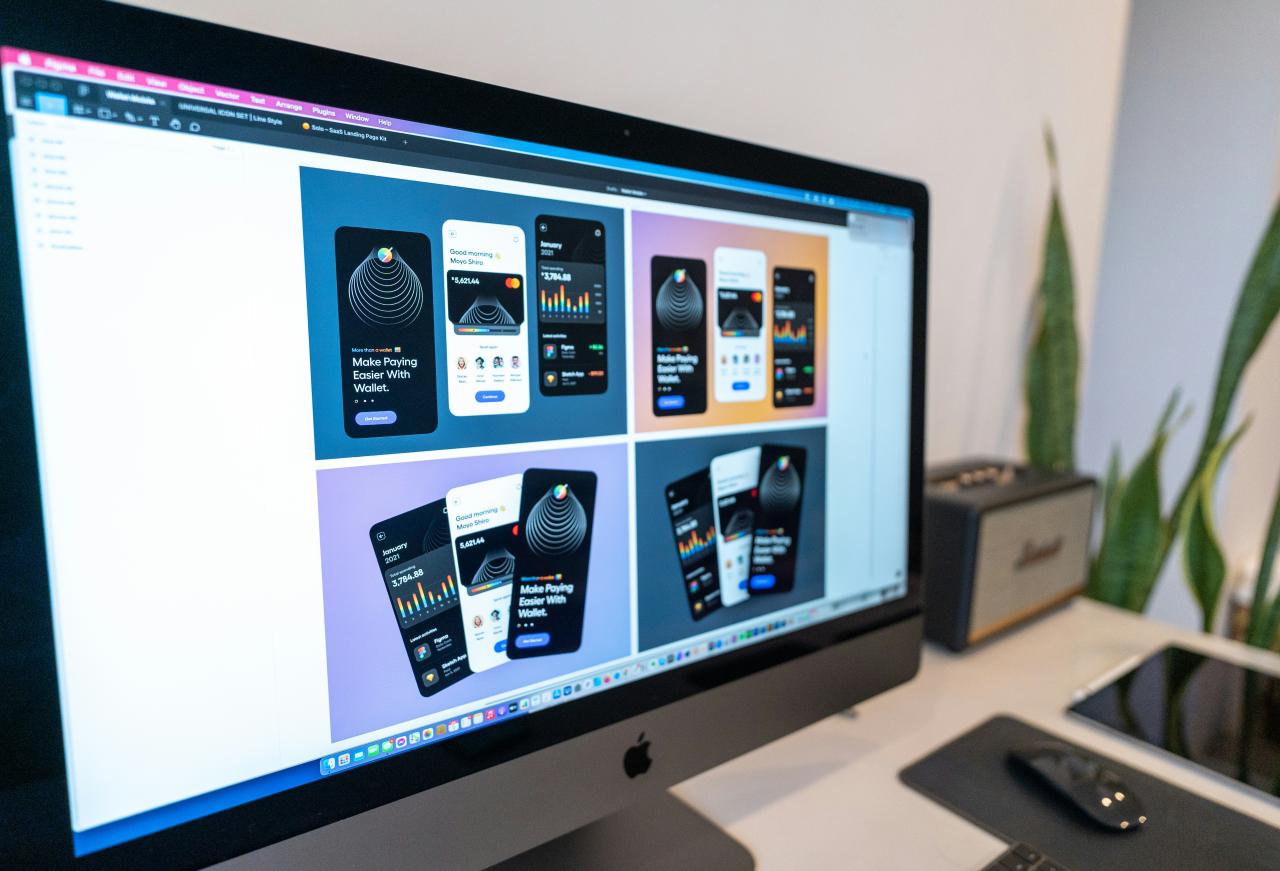
A successful design project starts with a deep understanding of how a human being actually interacts with a digital screen. We are moving toward a world where “Zero Friction” is the ultimate goal for every mobile app, website, and digital dashboard you create.
This technical infrastructure is the catalyst for your long-term brand loyalty and systemic growth in a crowded and noisy digital marketplace.
A. Intuitive Navigation and Information Architecture
You must organize your visual elements so that a user knows exactly where to click without having to think or search.
This technical precision allows your audience to find what they need in seconds, which reduces frustration and increases your overall conversion rates. It provides a roadmap for a digital property that feels natural and helpful to every person who visits your platform.
B. Responsive Design and Cross-Platform Consistency
Your visual assets must look perfect and function flawlessly whether they are viewed on a giant monitor or a tiny smartphone screen.
This technical shift ensures that your brand message remains strong and professional across all possible digital touchpoints and user environments. Mastering the rules of responsive scaling is a masterpiece of management that protects your professional reputation and your global reach.
C. Micro-Interactions and Visual Feedback Loops
Small animations or color changes that occur when a user hovers over a button provide a high-resolution sense of control and satisfaction.
This technical synergy makes your digital interface feel “alive” and responsive to the user’s actions, which keeps them engaged with your content longer. It is the primary engine that drives the superior performance of high-value designs compared to old, static layouts and graphics.
I see many designers making “pretty” websites that are almost impossible for a real person to navigate or use effectively. You should realize that a beautiful design that confuses your customer is actually a failure of professional engineering.
My perspective is that you should always test your layouts with someone who has never seen your brand before to find the friction points. Solve for the user’s movement first, and the aesthetic beauty will naturally follow as a logical result of your high-performance structure.
Mastering Color Theory and Psychological Branding
Color is more than just a decorative choice; it is a technical tool that triggers specific biological and emotional responses in your audience.
We are seeing a revolution where brands use high-resolution color palettes to communicate trust, energy, or luxury before a single word is read. This information infrastructure is the primary engine for building a high-performance visual identity that resonates with the human subconscious mind.
A. The Science of Color Association and Mood
Different hues can make people feel calm, hungry, or excited, depending on the context and the cultural background of your target market.
This technical precision allows you to “prime” your audience to receive your message in the exact emotional state that you desire for your brand. It provides a roadmap for a visual strategy that bypasses logical resistance and speaks directly to the heart of your ideal customer.
B. Accessibility and High-Contrast Visual Patterns
Ensuring that your colors are easy to distinguish for people with visual impairments is a fundamental requirement for a modern and inclusive brand.
This technical shift expands your potential audience and ensures that your message is readable under any lighting condition or on any type of screen. High-resolution accessibility is a masterpiece of design ethics that also happens to be a smart and profitable business decision.
C. Brand Recognition and Palette Consistency
Using the same set of colors across all your digital and physical assets builds a powerful sense of familiarity and authority over time.
This technical synergy ensures that a customer can recognize your brand from a distance without even seeing your official logo or company name. It is the primary engine that supports the long-term stability and the “premium” feel of your high-value design and marketing efforts.
I notice that many new brands try to use too many colors at once because they want to look “creative” or “different.” You should stop cluttering your visual message and start focusing on a core palette of two or three dominant and highly strategic colors.
My advice is to pick one “power” color that represents your brand’s primary mission and use it as a consistent anchor for your design. Less is almost always more when you are trying to build a lasting psychological connection with a global and busy audience.
The Role of Typography in Visual Authority
The fonts you choose act as the “voice” of your brand, and they can sound like a whispering professional or a shouting amateur.
We are moving away from standard, boring system fonts and moving toward custom, high-resolution typography that defines a unique brand personality. This administrative discipline is the primary engine for creating a high-performance visual hierarchy that guides the reader’s eye to your most important information.
A. Serif vs. Sans-Serif and Industry Positioning
Choosing between traditional serif fonts and modern sans-serif options tells the world whether your brand values heritage and trust or innovation and speed.
This technical accuracy ensures that your typography aligns with your overall business goals and the expectations of your specific industry or niche. It provides a roadmap for a professional image that looks and feels “right” to your target audience the moment they see it.
B. Hierarchy, Spacing, and Reading Velocity
Using different font weights and sizes allows you to control the order in which a user processes the information on your digital page.
This technical shift prevents the “wall of text” effect and ensures that your key marketing messages are seen and understood immediately. Mastering the rules of typography is a masterpiece of visual organization that keeps your readers focused on your primary calls to action.
C. Custom Typeface Design and Digital Sovereignty
Many top-tier companies now create their own unique fonts to avoid paying licensing fees and to ensure total exclusivity for their brand identity.
This technical synergy allows your brand to stand out in a sea of generic designs and provides a high-resolution level of professional polish. It is the primary engine that supports a truly unique and high-performance brand presence that cannot be easily copied by your competitors.
Many creators pick fonts because they look “cool” without considering if they are actually easy to read on a mobile device or a low-resolution screen. You should stop treating your text as a decoration and start treating it as a functional utility that must deliver information with total clarity.
My perspective is that legibility is the highest form of design, especially in an era where people skim content faster than ever before. Always prioritize a clean, readable font for your body text and save the “creative” typography for your large, high-impact headlines.
Motion Design and the Future of Engagement
Static images are no longer enough to capture the limited attention spans of users who are accustomed to high-speed video and animation.
We are seeing a shift where motion design is used to explain complex ideas, tell stories, and provide a high-resolution sense of luxury. This creative infrastructure is the primary engine for building a high-performance media presence that keeps your brand at the center of the global conversation.
A. Kinetic Typography and Animated Storytelling
Moving text can emphasize specific words and create a sense of urgency or excitement that a static headline simply cannot match for your brand.
This technical achievement allows you to deliver a more powerful and memorable message in a shorter amount of time than traditional text-based marketing. It provides a roadmap for a modern content strategy that thrives on social media platforms and high-traffic video sharing sites.
B. Logo Animation and Brand Personality
An animated logo acts as a “digital signature” that gives your brand a unique sense of motion and life every time it appears on a screen.
This technical shift makes your brand feel more high-end and technologically advanced, which increases the perceived value of your products and services. High-resolution motion branding is a fundamental requirement for anyone who wants to lead their industry in the digital and visual age.
C. Parallax Scrolling and Immersive Environments
Creating a sense of depth by moving different layers of a website at different speeds provides a high-resolution and “premium” user experience.
This technical synergy keeps users on your site longer as they explore the interactive and three-dimensional world you have built for your brand. It is the primary engine that drives deep engagement and helps your digital platform stand out from the millions of “flat” websites online.
I see many designers adding “flashy” animations that serve no purpose other than to distract the user from the actual content or product. You should stop using motion as a gimmick and start using it as a way to guide the user’s attention toward your most important data.
My advice is to keep your animations short, subtle, and meaningful so they enhance the experience rather than slowing down the system. Every movement on the screen should have a logical mission that helps the user understand your brand story or your unique offer.
Sustainable Design and Minimalist Philosophy
As the digital world becomes more crowded, a “less is more” approach is becoming the most effective way to communicate with high-performance results.
We are moving toward a world of sustainable design that uses fewer resources, loads faster, and provides a clear and calm experience for the user. This philosophical infrastructure is the primary engine for building a high-performance brand that values the time and the mental health of its audience.
A. Minimalism as a Tool for Clarity and Power
Removing unnecessary elements allows your core message and your most beautiful visuals to shine with total technical and creative clarity.
This technical precision ensures that your audience is not overwhelmed by visual noise and can focus on the specific value you provide to them. It provides a roadmap for a resilient brand that looks modern and sophisticated for many years without needing a constant redesign.
B. Dark Mode and Energy-Efficient Visuals
Designing for dark mode not only looks sleek but also saves battery life on mobile devices and reduces eye strain for your loyal and frequent users. This technical shift shows that you care about the practical needs of your audience, which builds a deeper sense of trust and brand loyalty.
High-resolution energy efficiency is a masterpiece of design thinking that aligns with the global trend toward more sustainable technology.
C. Fast Loading Times and Asset Optimization
Reducing the file size of your images and videos ensures that your high-value designs appear instantly, even on a slow or limited internet connection. This technical synergy improves your ranking in search engines and prevents users from leaving your site because it takes too long to load or display.
It is the primary engine that supports a high-performance digital presence that works for everyone, everywhere in the global marketplace.
Many creators are afraid that a “minimalist” design will look boring or unfinished to their clients or their potential new customers. You should realize that the most expensive and high-end brands in the world almost always use a clean and minimalist visual aesthetic.
My perspective is that “busy” designs are often used to hide a lack of real substance or a weak brand message for the audience. Use the power of white space to create a sense of luxury and to give your most important ideas the room they need to breathe and grow.
Conclusion
Strategic aesthetic orchestration represents a fundamental breakthrough in creative sovereignty, replacing reactionary trend-following with innovative visual frameworks and disciplined brand defense that ensure your professional engine wins today.
By integrating mission-critical pixel precision and data-backed brand scaling into your daily flow, you can effectively eliminate the risks of creative drift and market irrelevance while benefiting from the increased stability of automated design logic and strategic vision ownership.
Taking immediate action to audit your current creative habits and adopting a logic-based mission to utilize advanced digital design architecture allows you to reclaim your psychological freedom, grow your professional prosperity, and secure a lasting legacy through technical and structural resilience.
The path to a successful and high-performance creative life is clear when you use visual discipline and proactive brand protection as your primary tools to fuel rapid progress and achieve ultimate stability starting today.

